Slow Travel: Why Seeing Less Often Means Experiencing More
For years, travel has been defined by checklists.
Visit every landmark. See as many cities as possible. Pack your itinerary from sunrise to sunset. Come home with hundreds of photos and the satisfaction of checking another destination off your list.
But after planning countless vacations—and taking a few of my own—I've found that the trips people remember most rarely follow that formula.
Instead, they're the ones where there was time to linger.
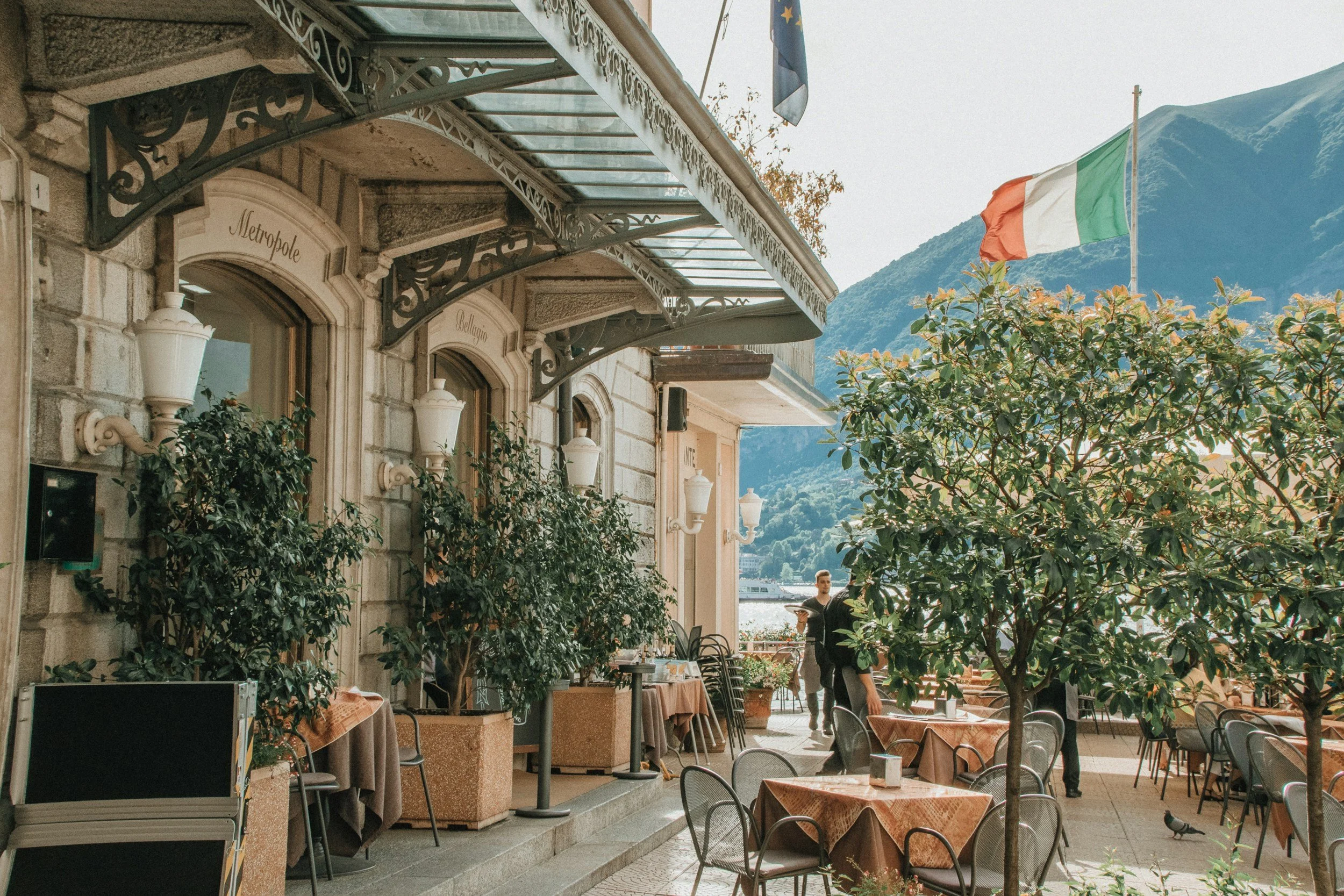
Time for an unhurried breakfast at a neighborhood café. Time to wander down a side street simply because it looked inviting. Time to sit by the water with a glass of wine and watch the world go by.
This is the heart of slow travel.
It's not about moving slowly. It's about traveling with intention.
What Is Slow Travel?
Slow travel is the idea that experiencing a destination deeply is more rewarding than trying to see everything.
Rather than racing from city to city, slow travelers spend more time in fewer places. They leave room for spontaneity, meaningful experiences, and genuine connection.
That doesn't mean you'll spend two weeks in one location (unless that's what you want). It means building an itinerary that allows you to settle into each destination instead of simply passing through it.
The goal isn't to check off the most places.
It's to come home feeling like you truly experienced them.
Why More Isn't Always Better
One of the most common requests I receive is something like this:
"Can we do London, Paris, Rome, Florence, Venice, and the Amalfi Coast in ten days?"
Technically?
Yes.
Would I recommend it?
Almost never.
When every other day is a travel day, vacations start to feel surprisingly similar. Hotels blur together. Meals become rushed. Museums are visited because they're on the list, not because you're enjoying them.
Instead of creating memories, you're managing logistics.
The irony is that trying to see everything often means experiencing very little.
The Magic Happens Between the Landmarks
Ask someone about their favorite travel memory, and it's rarely the moment they stood in front of a famous monument.
More often, they'll tell you about:
The tiny family-owned restaurant they stumbled upon.
The local baker who remembered their coffee order.
Watching the sunset from a quiet beach.
A conversation with a shop owner.
Wandering through streets they hadn't planned to explore.
These moments don't appear on an itinerary.
They're made possible by having the time and flexibility to notice them.
When your schedule isn't packed from morning until night, you're free to discover the unexpected—and those are often the experiences that stay with you long after you've returned home.
Fewer Hotels. Less Stress.
Changing hotels every couple of nights might seem like an efficient way to see more, but it comes with hidden costs.
Every move means:
Packing and unpacking luggage
Checking out and checking in
Coordinating transportation
Adjusting to a new neighborhood
Spending valuable vacation time in transit
Those hours add up.
By staying longer in each destination, you spend less time managing logistics and more time enjoying where you are.
Sometimes, the best decision isn't adding another stop—it's adding another night.
Luxury Is Having Time
When people think of luxury travel, they often picture beautiful hotels, fine dining, or premium flights.
While those things can certainly enhance a trip, I've come to believe that one of the greatest luxuries is something much simpler:
Time.
Time to sleep in without feeling guilty.
Time to enjoy a leisurely lunch that turns into an afternoon of people-watching.
Time to return to a favorite café because you loved it the first time.
Time to pause instead of rushing toward the next attraction.
Luxury isn't always about spending more.
Often, it's about giving yourself permission to experience more.
Slow Travel Creates Better Itineraries
When I design itineraries for clients, one of my biggest priorities is pace.
Of course, there are must-see attractions and unforgettable experiences that deserve a place on your itinerary. But I also make sure there's room for flexibility.
That might mean:
Spending four nights in Paris instead of two.
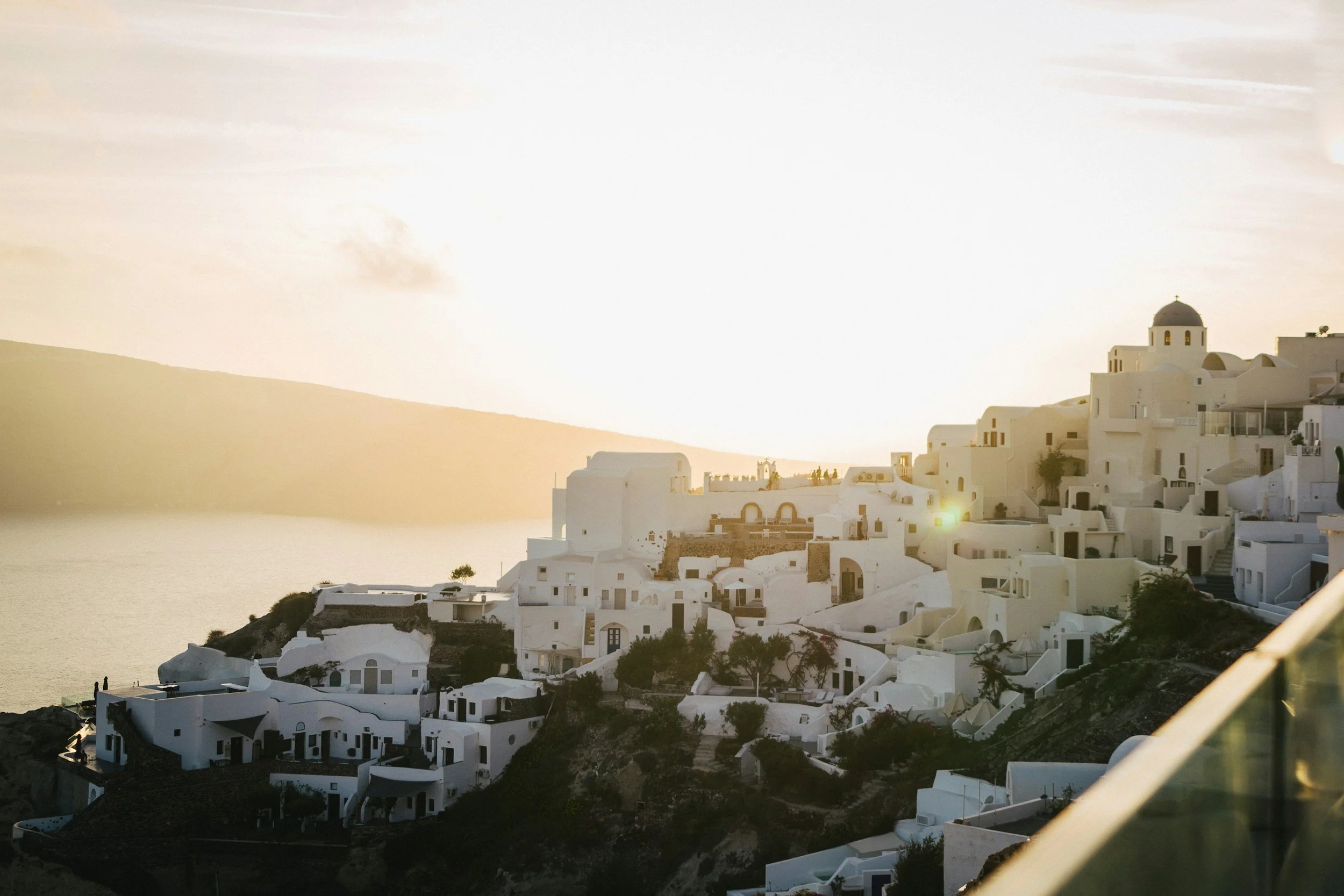
Exploring one Greek island rather than trying to visit three.
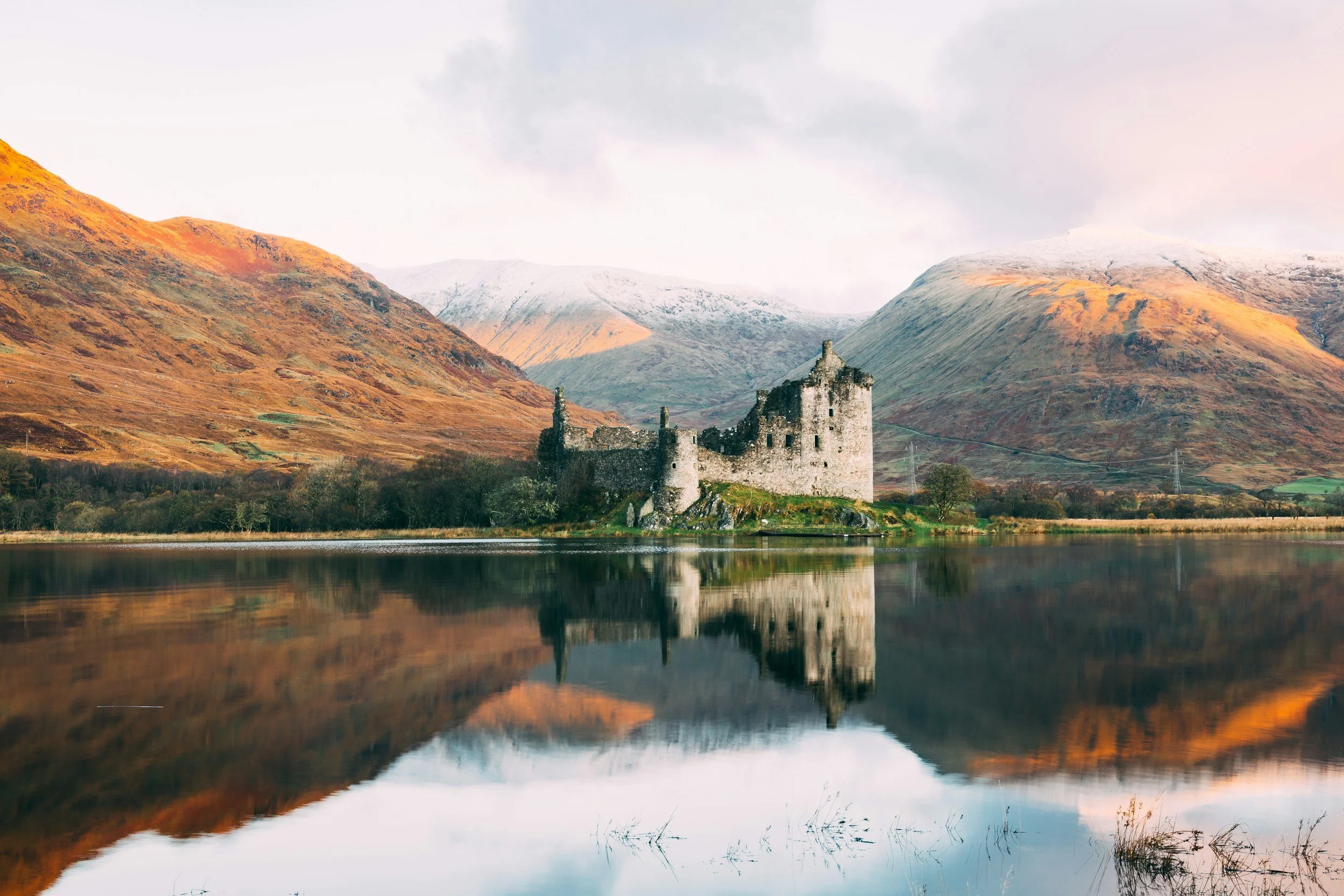
Choosing two regions of Scotland instead of attempting to see the entire country.
Leaving an afternoon completely open to follow your curiosity.
The goal isn't to fill every hour.
It's to create space for your trip to unfold naturally.
Quality Over Quantity
Travel isn't a competition.
No one wins by visiting the most countries in the shortest amount of time.
Some of the most meaningful journeys I've planned have included fewer destinations than my clients originally imagined. And almost every time, they return saying the same thing:
"I'm so glad we didn't try to do more."
They remember the little moments.
The slow mornings.
The conversations.
The feeling of settling into a destination instead of simply passing through it.
Those are the memories that last.
A Different Way to Measure a Vacation
Instead of asking:
"How many places can we fit into this trip?"
Try asking:
How do we want this vacation to feel?
Where do we want to spend our time?
What experiences matter most to us?
What pace will leave us feeling refreshed instead of exhausted?
Those questions often lead to a very different itinerary—and a much more meaningful one.
Travel That Stays With You
The vacations we remember most aren't always the busiest.
They're the ones where we laughed over long dinners, discovered hidden corners of a city, watched the sun set without checking the time, and felt connected to the place we were visiting.
That's the beauty of slow travel.
It's not about seeing less because you have to.
It's about choosing to experience more because you can.
Let's Create a Journey Worth Savoring
At AC Curated Travel, I believe your vacation should reflect the way you want to experience the world—not the pressure to see everything at once.
Whether you're dreaming of wandering through the villages of Ireland, enjoying unhurried evenings in Tuscany, exploring Scotland's Highlands, or discovering your favorite Greek island, I'll help you create an itinerary that balances iconic experiences with the freedom to truly enjoy them.
If you're ready to travel more intentionally, I'd love to help design a journey that's as memorable as the destination itself.