How Far in Advance Should You Plan Your Vacation?
One of the first questions I hear from prospective clients is, "Is it too early to start planning?"
The answer is almost always the same:
If you're thinking about your vacation, it's probably the right time to start planning it.
While spontaneous trips certainly have their place, the most memorable vacations—especially those involving multiple destinations, luxury accommodations, or unique experiences—are rarely planned at the last minute.
Planning ahead doesn't just make the process less stressful. It gives you more choices, better availability, and the flexibility to create a trip that truly reflects how you want to travel.
Here's a general timeline to help you decide when to begin.
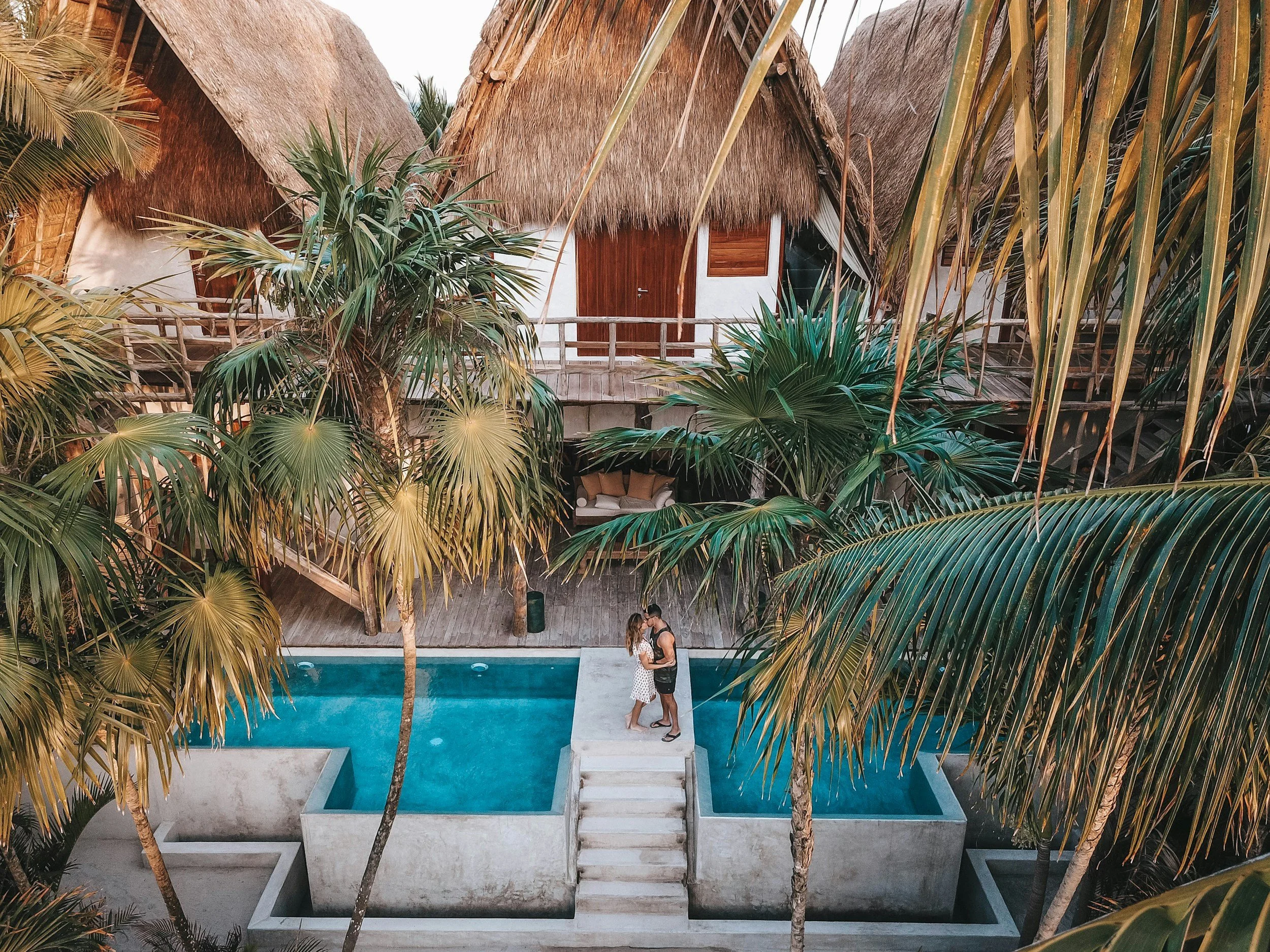
12–18 Months Before: Bucket List Trips & Special Celebrations
Some vacations deserve extra time.
If you're planning a honeymoon, milestone anniversary, destination wedding, safari, or a once-in-a-lifetime journey through Europe, starting 12 to 18 months in advance allows you to secure the very best options.
Planning early means you'll have access to:
Highly sought-after boutique hotels
Luxury resorts with limited availability
Premium room categories
Private guides and exclusive experiences
Better flight options
Flexible payment timelines
Popular destinations such as Greece, Italy, Scotland, and Ireland often see their most desirable accommodations book well before peak travel season.

9–12 Months Before: Europe & Peak Season Travel
If Europe is calling your name, this is typically the sweet spot.
Many travelers underestimate how quickly accommodations fill during spring, summer, and early fall.
Whether you're dreaming of strolling through Paris, exploring Ireland's countryside, island hopping in Greece, or discovering Scotland's Highlands, planning nine to twelve months ahead gives you the widest selection.
This is also the ideal time to start thinking about:
Multi-city itineraries
Scenic rail journeys
Rental cars in popular regions
Boutique hotels
Small-group excursions
Restaurant reservations for sought-after dining experiences
Planning early also allows us to build an itinerary that feels balanced instead of rushed.
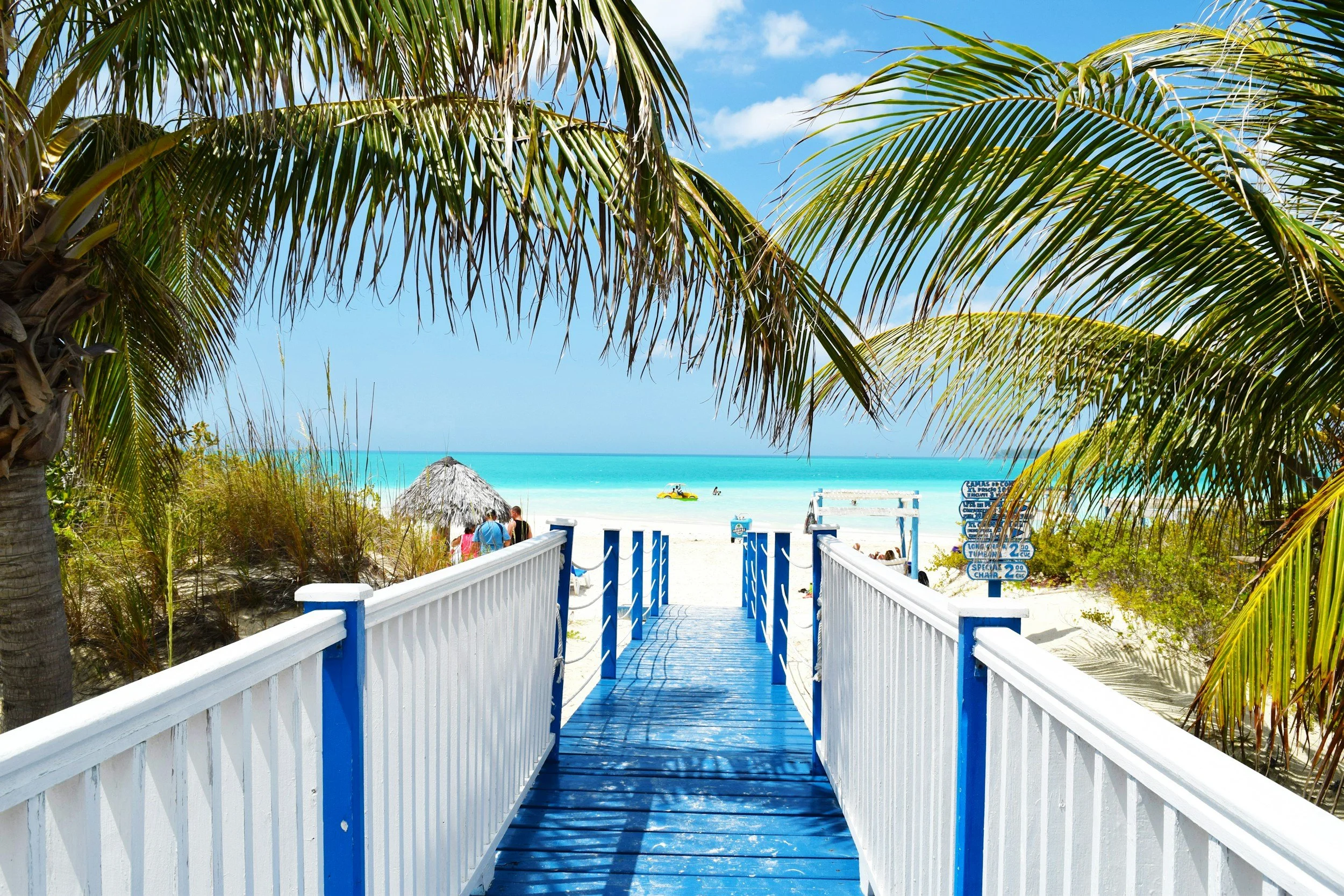
6–9 Months Before: Caribbean, Hawaii & Family Vacations
For many travelers, this is the ideal planning window.
If you're considering:
Aruba
Turks & Caicos
Hawaii
Mexico
Luxury all-inclusive resorts
Family vacations during school breaks
Six to nine months typically provides excellent availability while leaving enough time to coordinate schedules, flights, and accommodations.
Families traveling during spring break, summer vacation, Thanksgiving, or Christmas should aim toward the earlier end of this timeline.

3–6 Months Before: Domestic Getaways
Weekend escapes and domestic vacations often offer more flexibility, but planning several months in advance still has its advantages.
Booking early increases your chances of securing:
Preferred hotels
Better airfare
Popular tours
National park lodging
Vacation rentals
If you're traveling to destinations with limited lodging—such as Glacier National Park or other national parks—planning even earlier is recommended.
Holiday Travel Requires Extra Planning
The busiest travel periods of the year include:
Thanksgiving
Christmas
New Year's
Spring Break
Summer holidays
These dates tend to sell out quickly, and prices generally increase as availability becomes more limited.
If you're traveling during these peak times, I recommend beginning the planning process at least nine to twelve months in advance.

Why Planning Early Creates a Better Vacation
Many travelers assume that planning early is simply about getting better prices.
While that can certainly be a benefit, I believe the greatest advantage is something else entirely.
You have room to be intentional.
When you're not racing against sold-out hotels or limited flights, you can make thoughtful decisions.
You can choose accommodations because they fit your travel style—not because they're the only rooms left.
You can build an itinerary with breathing room instead of trying to squeeze everything into too few days.
You can reserve experiences that genuinely excite you rather than settling for what's still available.
In my experience, these thoughtful choices are often what transform a good vacation into one you'll remember for years.
What If You're Planning Last Minute?
Life doesn't always allow for months of advance planning.
Sometimes opportunities arise unexpectedly, and that's okay.
While last-minute trips can absolutely be wonderful, flexibility becomes even more important.
Being open to alternative destinations, different hotel categories, or adjusted travel dates often leads to the best outcomes.
One of the benefits of working with a travel advisor is having someone who can quickly identify creative solutions and maximize what's available.
When Should You Reach Out to a Travel Advisor?
The best time to reach out is before you start booking.
Even if your travel dates aren't finalized, beginning the conversation early allows us to discuss your goals, identify ideal timing, and create a plan that aligns with your vision.
Planning doesn't mean locking every detail into place immediately.
It simply means giving yourself the opportunity to make informed, intentional decisions.
The Best Vacations Don't Happen by Accident
Some of the most memorable trips I've planned have one thing in common: they weren't rushed.
They were thoughtfully designed around my clients, with enough time to choose the right hotels, experiences, and pace.
Whether you're dreaming of wandering through the villages of Ireland, watching the sunset in Santorini, relaxing on the beaches of Aruba, or exploring Scotland's castles, starting early opens the door to more possibilities—and a more enjoyable planning process.
Let's Start Planning
At AC Curated Travel, I help travelers create personalized journeys that reflect their interests, travel style, and the moments they want to celebrate.
If you're thinking about your next vacation, let's start the conversation now. Together, we'll build an itinerary that feels seamless, intentional, and unforgettable—long before you ever pack your suitcase.