Why a well-planned European itinerary is about more than just the destinations.
One of the biggest mistakes I see when planning a European vacation is underestimating the logistics.
It's easy to pull up a map, spot a handful of destinations that look relatively close together, and assume getting from one place to the next will be simple. A two-hour train ride here, a quick flight there, maybe a rental car for a few days. How difficult could it be?
But there's so much more to consider when planning a multi-destination European vacation than simply how far apart two cities are.
After years of planning European itineraries, particularly in Italy, I've learned that the best trips aren't necessarily the ones with the most destinations. They're the ones where the logistics make sense, the pacing feels right, and you have enough time to actually enjoy the places you've traveled so far to see.
Here are a few things I always consider when putting together a European itinerary that travelers might not think about until they're already there.
1. It's not just about how far apart two cities are.
A two-hour train ride might sound like an easy way to get from one destination to another. But have you considered everything that happens before and after that train journey?
Getting from your hotel to the station, allowing time to navigate a busy train terminal, finding your platform, boarding with your luggage, and then getting from your arrival station to your next hotel all take time.
That two-hour journey can easily turn into a half-day commitment.
When evaluating transportation between destinations, I look at the entire journey rather than just the advertised travel time. Sometimes a slightly longer direct route is actually more convenient than a shorter journey requiring multiple connections.
2. Train stations aren't always in the middle of everything.
Europe's extensive rail network makes train travel an incredible way to explore many destinations. But not every train station is equally convenient.
Some stations are centrally located and within walking distance of major hotels and attractions. Others require a taxi, metro ride, or additional transfer to reach your accommodations.
This is especially important when traveling somewhere unfamiliar or arriving with luggage.
Before building an itinerary around train travel, consider where the stations are located, how you'll get to and from them, and whether the connections are practical for your particular trip.
3. Your luggage matters more than you think.
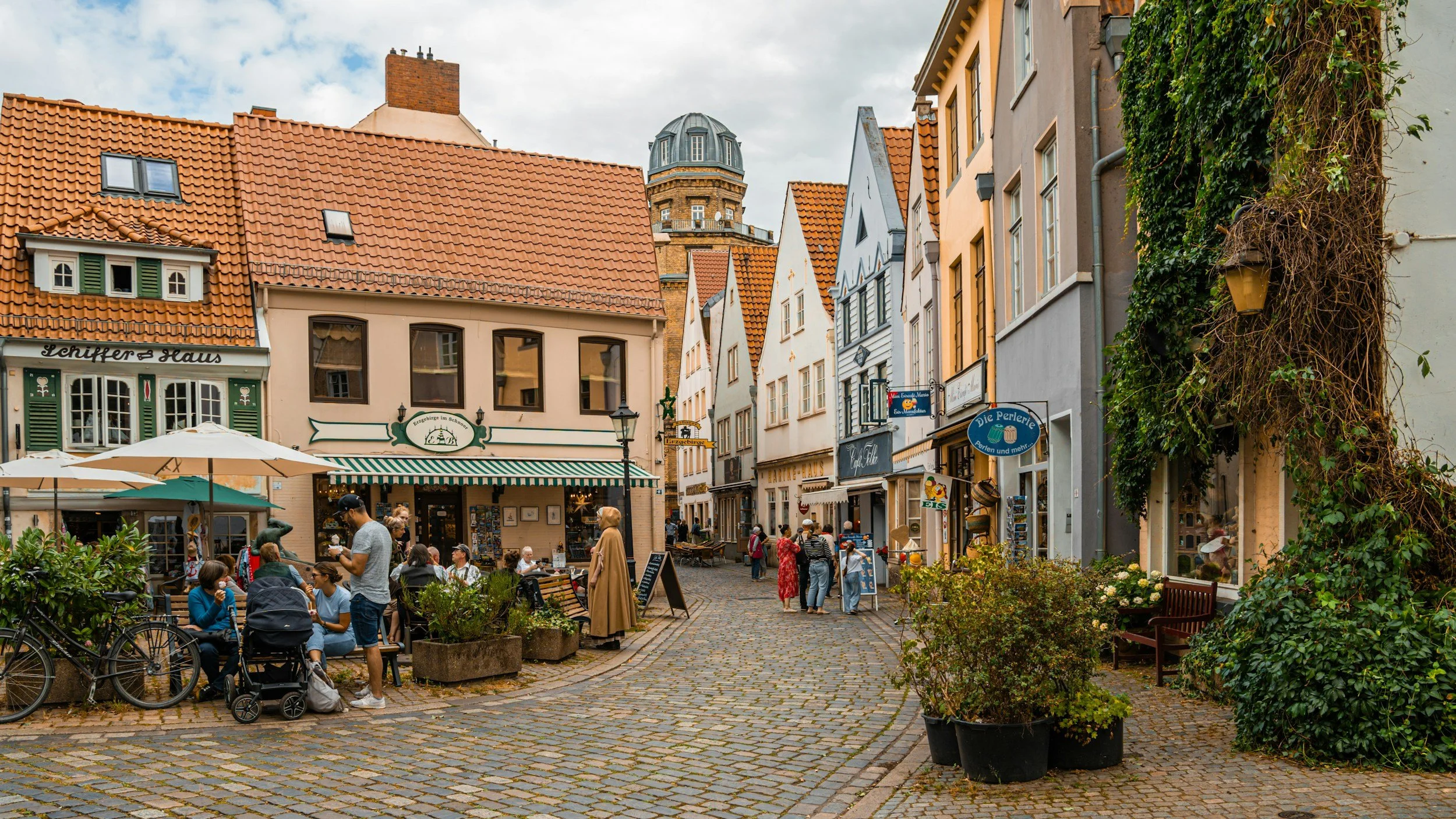
Those charming cobblestone streets and historic buildings are part of what makes Europe so special. They're also not always particularly suitcase-friendly.
Think narrow sidewalks, uneven pavement, steep staircases, train platforms, small hotel elevators, and accommodations where luggage storage is limited.
Moving between destinations every two or three nights can become exhausting when you're traveling with oversized suitcases.
I always encourage travelers to think realistically about their luggage and how frequently they'll be moving. Traveling with less, choosing conveniently located accommodations, and minimizing unnecessary hotel changes can make a tremendous difference in the overall experience.

4. Airport location can change your entire travel day.
That budget flight might look like a great deal when you're comparing airfare between two European cities. But have you checked where the airport is actually located?
Some airports are conveniently connected to the city center. Others are an hour or more away, requiring an additional train, bus, or private transfer.
When comparing flights, I consider the total travel time and cost, including transportation to the airport, recommended arrival time, baggage requirements, and transportation upon arrival.
A flight that looks like the fastest option on paper isn't always the most convenient once you factor in the entire journey.
Sometimes taking the train is the better choice. Other times, flying makes perfect sense. It depends on the destinations and the overall itinerary.
5. A rental car isn't always the answer.
Renting a car can be an incredible way to explore certain parts of Europe, particularly destinations where smaller villages, countryside accommodations, and scenic drives are part of the experience.
But having a car isn't necessarily convenient everywhere.
In cities like Florence, Rome, and Venice, a rental car can quickly become more of a headache than a benefit. Limited parking, expensive garages, restricted traffic zones (ZTLs), and unfamiliar roads can complicate what should otherwise be an enjoyable vacation.
On the other hand, exploring the Tuscan countryside or certain parts of southern Italy is an entirely different experience where having a car can offer flexibility and access that public transportation simply can't.
The key is knowing when a rental car adds value and when it creates unnecessary complications. Sometimes the best itinerary combines trains, private transfers, and a rental car for just a portion of the trip.
6. Travel days take up more time than you think.
This is probably one of the most overlooked aspects of European itinerary planning.
When travelers say they want to spend three nights in a destination, they sometimes picture three full days of exploring.
In reality, arrival and departure logistics can take up a significant portion of that time.
Checking out of one hotel, getting to the train station, traveling to the next destination, transferring to your new accommodations, checking in, and getting settled can easily consume most of a day.
Three nights in a destination typically gives you two full days to explore, plus portions of your arrival and departure days.
That's not necessarily a bad thing. But it's important to set realistic expectations when deciding how many destinations to include and how long to stay in each one.
A slower itinerary with more time in fewer places often creates a much more enjoyable experience than trying to squeeze in one more destination.
So, what's the secret to a great European itinerary?
It's not about seeing as many places as possible.
It's about making sure the time you spend getting between them actually makes sense.
A thoughtfully planned itinerary considers more than just the destinations themselves. It takes into account transportation, hotel locations, travel times, luggage, the pace of the trip, and the experiences you want to prioritize along the way.
Sometimes that means removing a destination. Sometimes it means adding an extra night somewhere. And sometimes it means choosing a different mode of transportation that makes the entire experience easier.
These decisions might not be the most exciting part of planning a European vacation, but they're often what make the biggest difference once you're there.
Because a well-planned trip isn't just about where you're going. It's about everything in between.
Hi, I'm Alyssa!
I'm a luxury travel designer and the founder of AC Curated Travel. I specialize in thoughtfully designed vacations, from European adventures and custom multi-destination itineraries to family getaways, honeymoons, and destination weddings.
After years of planning travel, I believe the best vacations aren't simply booked. They're thoughtfully designed around the people taking them.
If you're dreaming about a European vacation but aren't quite sure how to bring all the pieces together, I'd love to help.